
Influencer marketing has evolved rapidly over the last decade. What began as simple brand shout-outs on social media has transformed into a powerful digital marketing strategy that drives trust, engagement, and conversions. Today, we are entering a new era—one where influencers are no longer just promotional tools but creative partners. The Future of Influencer Marketing is shifting from traditional sponsorships to meaningful co-creation between brands and creators.
The Evolution of Influencer Marketing
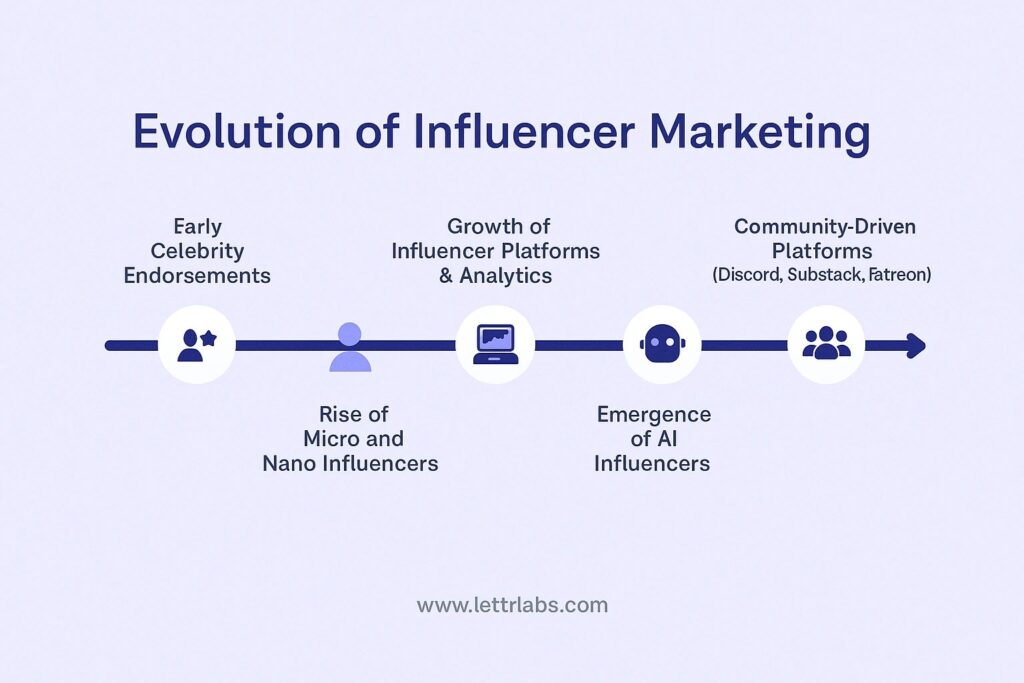
In the early stages, influencer marketing focused heavily on visibility. Brands partnered with influencers primarily for reach, paying them to post sponsored content that highlighted products or services. While this approach worked initially, audiences gradually became more aware of paid promotions, leading to skepticism and ad fatigue.
As social media platforms matured and users demanded authenticity, brands realized that influencer marketing needed to evolve. Instead of one-off sponsored posts, long-term relationships and value-driven collaborations began to take center stage. This evolution laid the foundation for the Future of Influencer Marketing, where trust and creativity matter more than follower counts alone.
Why Traditional Sponsorships Are Losing Impact
Traditional sponsorship models often limit influencers’ creative freedom. Brands provide rigid guidelines, scripted messaging, and strict posting requirements. While this ensures brand consistency, it can strip content of authenticity—something modern audiences value deeply.
Consumers today are highly selective. They can easily identify overly promotional content and are more likely to engage with creators who share genuine experiences. As a result, purely transactional sponsorships are seeing lower engagement rates compared to collaborative content. This shift is a major driver shaping the Future of Influencer Marketing.
Co-Creation: The New Standard in Influencer Marketing
Co-creation is emerging as a defining trend in the influencer marketing landscape. Instead of simply promoting a product, influencers collaborate with brands to create content, campaigns, and even products. This approach benefits both parties:
- Brands gain authentic storytelling and deeper audience trust
- Influencers retain creative control and strengthen their personal brand
- Audiences receive relatable, valuable, and engaging content
In the Future of Influencer Marketing, co-creation transforms influencers into brand partners rather than advertisers.
Influencers as Creative Partners
Influencers understand their audience better than anyone else. They know what type of content resonates, which tone feels authentic, and what trends are gaining momentum. By involving influencers early in campaign planning, brands can leverage this insight to create more effective marketing strategies.
From co-developing campaign concepts to shaping brand narratives, influencers are becoming strategic contributors. This collaborative approach ensures that content feels organic while still aligning with brand goals—an essential element of the Future of Influencer Marketing.
Product Co-Creation and Brand Collaborations
One of the most exciting developments in influencer marketing is product co-creation. Brands are partnering with influencers to design limited-edition products, collections, or services. These collaborations often outperform traditional product launches because they are backed by an already engaged community.
When influencers co-create products, they become emotionally invested in the brand’s success. Their audience, in turn, feels a sense of ownership and connection. This model represents a powerful shift in the Future of Influencer Marketing, where creators influence not just marketing but product innovation itself.
The Role of Micro and Nano Influencers
While celebrity influencers still have a place, the Future of Influencer Marketing strongly favors micro and nano influencers. These creators typically have smaller but highly engaged audiences, making them ideal partners for co-creation.
Micro influencers often maintain close relationships with their followers, leading to higher trust and better engagement rates. Brands that focus on meaningful collaborations with these influencers can achieve better ROI while building long-term brand loyalty.
Authenticity and Community Building
Authenticity is the cornerstone of modern digital marketing, and influencer marketing is no exception. Audiences want real stories, honest opinions, and transparent partnerships. Co-creation naturally supports authenticity by allowing influencers to share their genuine perspectives.
In the Future of Influencer Marketing, success will be measured not just by reach but by community impact. Brands that invest in community-driven campaigns—such as live sessions, behind-the-scenes content, and user-generated content—will stand out in an increasingly crowded digital space.
Data-Driven Co-Creation Strategies
Technology and data analytics are also shaping the Future of Influencer Marketing. Brands can now analyze audience demographics, engagement patterns, and content performance to identify the right influencers for collaboration.
By combining data insights with creative co-creation, brands can develop campaigns that are both strategic and authentic. This balance ensures measurable results while maintaining the human connection that influencer marketing thrives on.
Long-Term Partnerships Over One-Off Campaigns
Another key trend defining the Future of Influencer Marketing is the shift toward long-term partnerships. Instead of single sponsored posts, brands are building ongoing relationships with influencers.
Long-term collaborations allow influencers to integrate brands naturally into their content over time, increasing credibility and recall. For brands, this approach leads to consistent messaging, stronger brand identity, and sustained audience engagement.
Challenges and Best Practices
While co-creation offers many benefits, it also comes with challenges. Misaligned values, unclear expectations, or lack of transparency can undermine collaborations. To succeed in the Future of Influencer Marketing, brands should:
- Choose influencers whose values align with the brand
- Set clear goals while allowing creative freedom
- Maintain transparency in partnerships
- Measure success beyond vanity metrics
By following these best practices, brands can unlock the full potential of co-creation.
Conclusion: Embracing the Future of Influencer Marketing
The influencer marketing landscape is no longer about paid promotions alone. It’s about collaboration, creativity, and community. The Future of Influencer Marketing lies in co-creation—where brands and influencers work together to deliver authentic, value-driven experiences.
As audiences continue to demand transparency and meaningful content, brands that embrace this shift will build stronger relationships, drive better engagement, and achieve long-term success. Influencer marketing is no longer just a tactic—it’s a partnership-driven strategy shaping the future of digital marketing.